

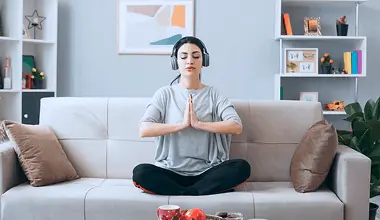
At CompassionMD™, we recognize that health is more than treating symptoms. Stress, sleep, and emotional well-being all play a role in overall health.
The Relax & Meditate section of our website is designed to provide:
- Simple, evidence-based relaxation practices
- Short guided exercises that fit into busy schedules
- Supportive tools you can use anytime, anywhere
These practices are not meant to replace medical care. Instead, they offer a gentle way to support well-being alongside clinical care.
Tips for Using These Practices
Sit or lie comfortably in a quiet space.
Close your eyes if it feels safe and comfortable.
Breathe slowly and gently — focus on the inhales and exhales.
Tap or click a video when stress feels high — even a few minutes can help you reset.
Breathing and mindfulness practices like these have been shown to activate your body’s relaxation response, calm the nervous system, and support emotional balance — all without extra equipment or time.
How to Breathe Mindfully
Mindful breathing is one of the simplest ways to relax your body and quiet your mind. You don’t need special equipment or experience — just a few moments of gentle attention
- Sit comfortably with your feet on the floor or lie down
- Place one hand on your chest or abdomen
- Inhale slowly through your nose for a count of 4
- Pause briefly
- Exhale gently through your mouth for a count of 6
- Allow your breath to move naturally, without forcing it
- Repeat for several breaths
If your mind wanders, that’s okay. Simply bring your attention back to your breath
Even a few slow breaths can help release tension and restore a sense of calm
Use this guide anytime you need a moment of calm — at home, at work, or on the go.
Making Relaxation a Daily Habit
Relaxation works best when practiced regularly, even in small doses.
Simple ways to build calm into your day:
- Take a few slow breaths when you wake up
- Use a short-guided video during a work break
- Pause and breathe before bedtime
- Waiting to speak with your doctor is an excellent time to practice a relaxation technique while you are in a comfortable quiet space.
Return to these practices whenever stress feels overwhelming.
There is no “right” way to relax. Choose what feels comfortable and supportive for you. Over time, these small moments of calm can make a meaningful difference.
Why Short Relaxation Practices Work
Relaxation doesn’t have to take a long time to be effective.
Short practices — even just 2–3 minutes — can activate your body’s natural relaxation response.
Brief moments of calm can:
- Lower stress and tension
- Slow your heart rate
- Ease muscle tightness
- Improve focus and emotional balance
Think of these short practices as gentle pauses in your day — small resets that help your body and mind feel more at ease.
Calming Music for Relaxation
A gentle way to pause, breathe, and reset.
Soft, calming music can be a simple and supportive tool for relaxation. Slow, soothing sounds help signal to your body and mind that it’s safe to slow down, release tension, and return to a steadier rhythm.
How Calming Music Helps
When stress is high, the nervous system can stay in a “wired” state—making it harder to relax, focus, or sleep. Calming music may help by:
- Encouraging slower, deeper breathing
- Supporting a more relaxed heart rate
- Easing physical tension
- Creating a peaceful environment for rest or reflection
Even a few minutes of listening can offer a gentle reset during a busy day.